mHealth — the 21st century's mobility in Healthcare — Part 2
How mHealth supports healthcare today — administration, awareness, monitoring — and the benefits it brings to patients and providers.
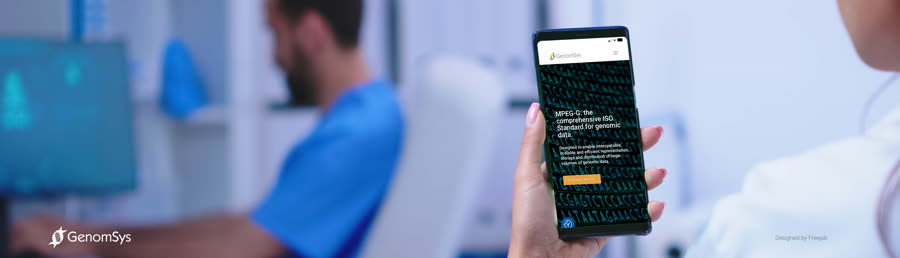
Today we detail the support that mHealth provides and what its benefits are for healthcare systems — following the first part’s description of mHealth and how initiatives for implementing it are handled in Switzerland, Germany, Spain and Italy.
How can mHealth support overall healthcare today?
Despite the large potential, mHealth is not very suitable for, say, emergency surgery or any other emergency treatments. Still, its mobile nature can be used across a wide range of processes.
Support in the administrative healthcare process
We used to schedule doctor appointments by calling their offices. Now we have — through our smartphones — the possibility to book online, receive automatic reminders, and even do the consultation digitally through a video conference. Especially convenient if the specialist lives far away.
mHealth applications also help patients manage their own health records. Using their smartphones, patients can view or share their medical data at any time and any place — which can be vital for first-aid responders checking blood type or selecting medicine.
Raising awareness
An essential factor in healthcare, besides actual therapies and treatments, is raising awareness amongst the public on diseases and how to prevent them. mHealth initiatives provide information conveniently and directly to the individual — through their smartphone.
The Ministry of Health and Family Welfare of Bangladesh, for example, took advantage of the rapidly increasing number of mobile subscribers in their country to broadcast SMS text messages for nationwide health campaigns: from vaccination reminders to Vitamin A Week, National Breastfeeding Week, and National Safe Motherhood Day.
Monitoring & surveillance
The monitoring of patients using mobile devices such as smartphones or paired smartwatches can help significantly during the treatment of a patient’s illness from a distance (e.g. diabetes and cardiac patients). Remote sensors linked to mobile phones often facilitate the data transmission to the health-service provider, reducing the need for visits to a health centre for check-ups.
What are the benefits of mHealth?
Faster and “unlimited” access to healthcare
A key benefit of mHealth is providing patients with faster, more convenient access to providers and care: secure messaging, scheduling, and a platform to connect with providers at any place and time. “Telemedicine is, in fact, one of the most predestined ways for any mHealth application and has proven itself as a beneficial technology during the past 2-years COVID-19 pandemic.”
Remote monitoring
mHealth applications that track biometric data like blood pressure, heart rate, or glucose levels mark a significant evolutionary step. Continuous, automatic data transmission lets treating physicians select appropriate treatment and adjust therapy — most often for chronic conditions. In 2019 the US Center for Medicare and Medicaid Services (CMS) issued new codes so physicians could be reimbursed for these services.
Increased connectivity, better communication
The internet increased the interconnectivity of our planet, but it was the smartphone that made us fully connected anywhere, any time. mHealth applications connect the patient to their physician, simplify communication across office staff and referring physicians, and act as a digital folder for all the patient’s medical records — improving coordination in the care process.
What does GenomSys provide?
At GenomSys we address these developments head-on. We want to establish real personalised medicine through mHealth in genomics. Our solutions reflect the need for high-level data privacy, convenience and high interoperability — combined in our MPEG‑G standard, which is at the core of the GenomSys MPEG‑G Genomic Platform.
The GenomYou app brings the benefits of current mHealth applications to the genomic field. It allows ordering a DNA sequencing, storing genomic data only on your phone, running analyses and receiving results directly on the device, and getting in contact with genomic experts or your physician for further actions.
We believe that healthcare in the future will be an ecosystem consisting of state-of-the-art tools for professionals and convenient, highly secure applications for citizens.